
Solar TAP Researchers Unveil Pocket-Sized Tool for Rapid In-Field Analysis of PV Polymers
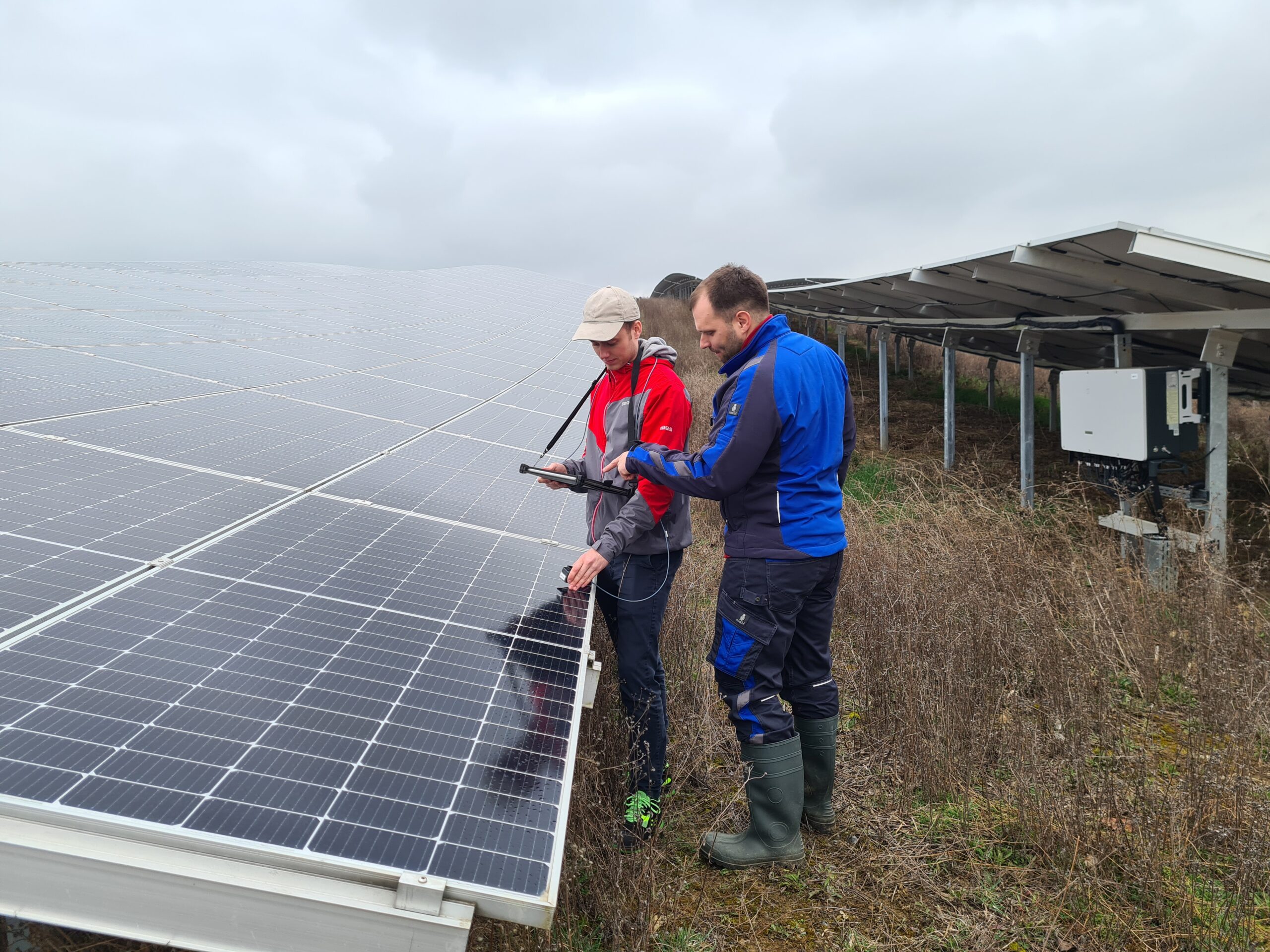
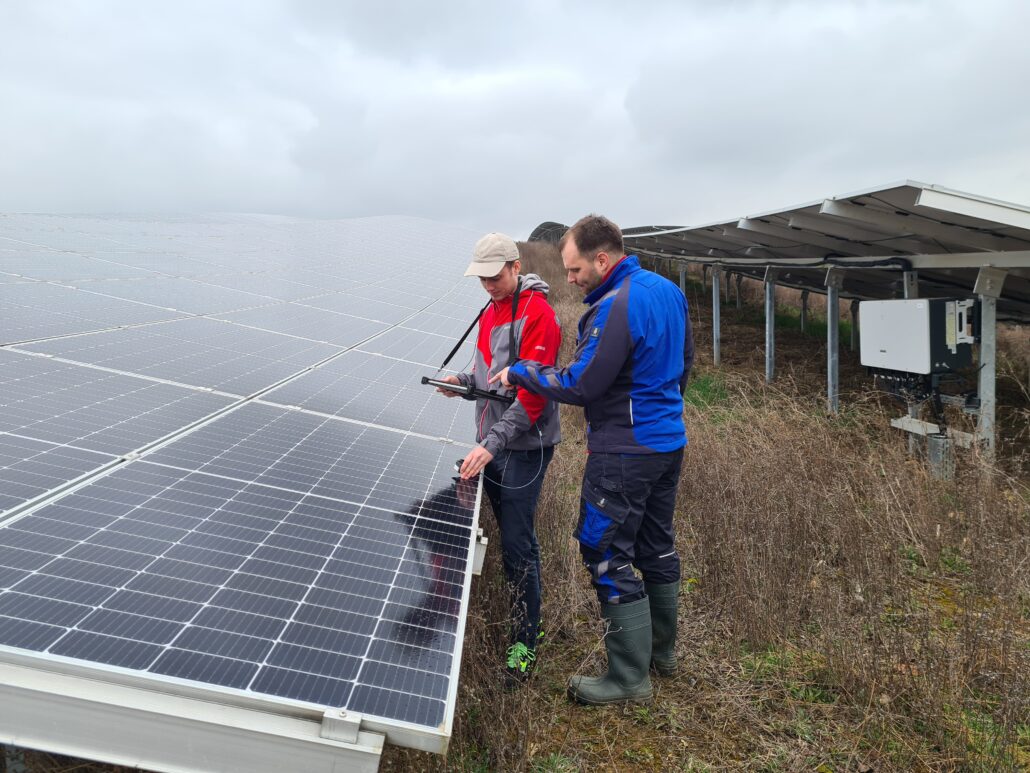
As part of its mission to bring advanced materials science into real-world solar applications, the Solar TAP initiative at the Helmholtz Institute Erlangen-Nürnberg (HI ERN), Forschungszentrum Jülich, has developed a pocket-sized PV-Scanner capable of quickly identifying polymer materials in photovoltaic (PV) modules in the field — directly on-site and without damaging the panel.
The innovative handheld device uses near-infrared absorption spectroscopy (NIRA) and AI-powered analysis to determine the composition of backsheets and encapsulants — key polymer components that influence module durability and performance. This breakthrough was made possible through Solar TAP’s integration of spectroscopy hardware from Spectral Engines and custom machine learning models developed in-house at HI ERN.
Such polymer differences are common, even among modules with identical specifications, due to changes in manufacturing or supply chains. These variations can impact a module’s long-term behavior — making field-based diagnostics essential.
The device, still in prototype stage, is being commercialized in partnership with LayTec, Spectral Engines’ sister company, and through Anymo, a spin-off born from Solar TAP’s work at HI ERN. Together, they aim to finalize development by the end of 2025, with early prototypes already available for pilot projects.
Solar TAP’s contribution extends beyond diagnostics. By embedding AI into the tool, the team has created a foundation for faster quality control, material verification, and sorting during PV recycling, enabling a more circular and resilient solar industry. The work has already been published in Solar Energy Materials and Solar Cells, validating the science behind the application.
This marks a strong example of how Solar TAP accelerates technology transfer from research labs to field-ready tools — reshaping how solar materials are monitored, maintained, and reused across the module lifecycle.
Read the complete article here.